Published July 12, 2026 · Updated July 14, 2026 · by San Juan Roofing Co.
Key takeaways
- New cedar is a dated, overpriced roof. It costs as much as a top roof but comes with little or no warranty, and most insurers now charge extra for it.
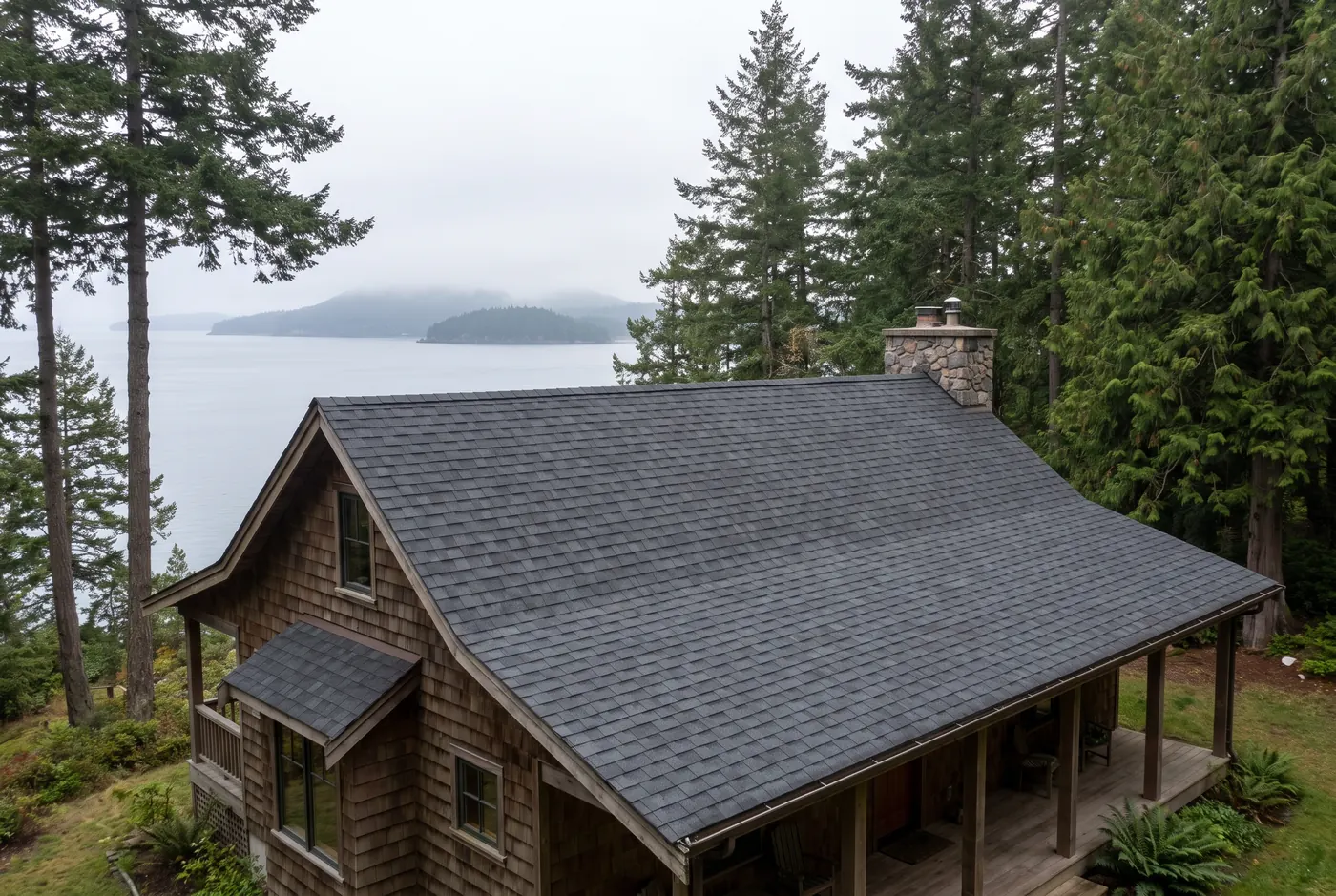
- For about what a new cedar shake roof costs, CertainTeed Presidential TL gives you the deep, layered look of shake in a tough asphalt shingle — or go standing-seam metal for 50+ years.
- We take failing cedar off, fix the deck, and re-roof in asphalt or metal — we no longer install new cedar or offer cedar repairs we can't warranty.
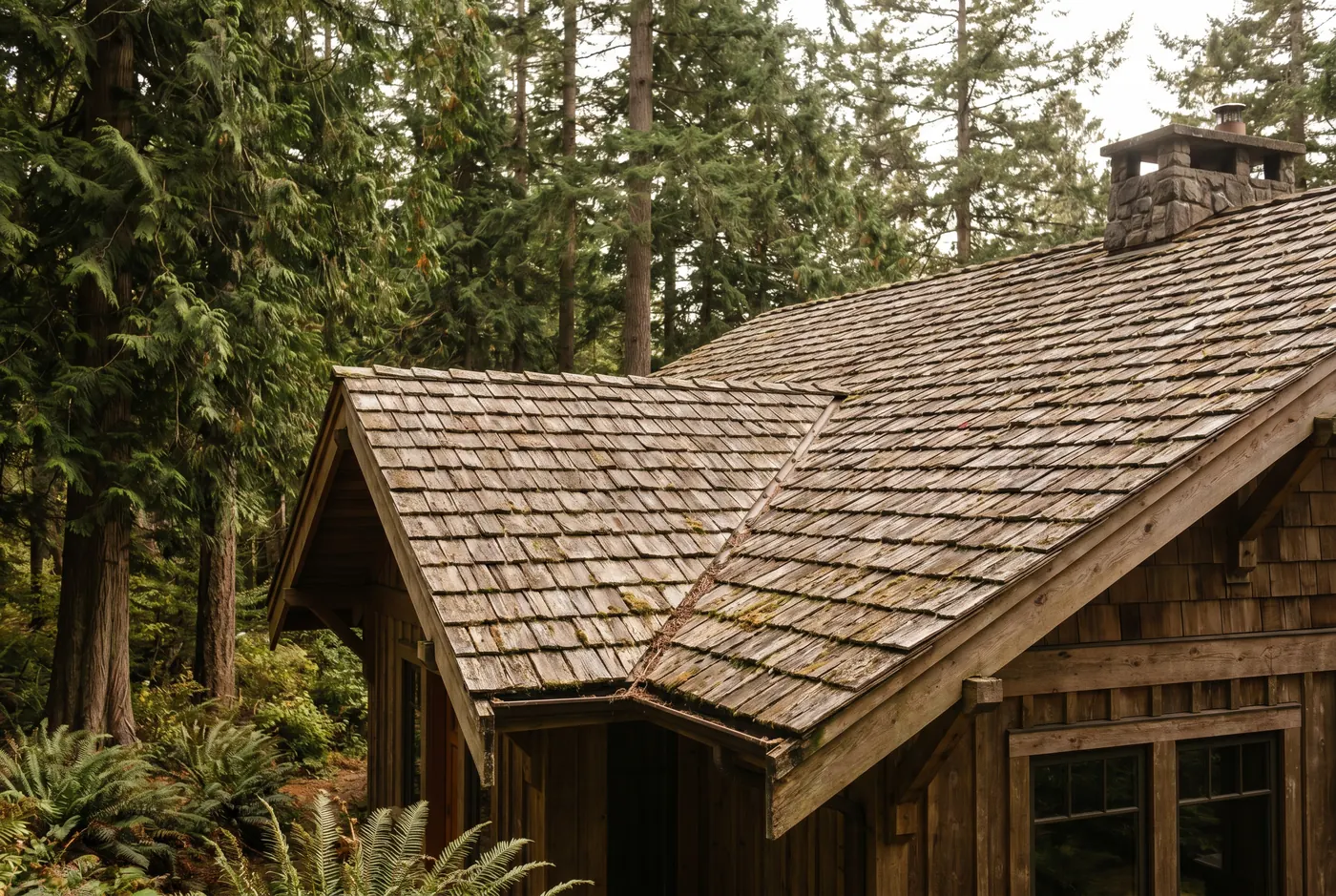
- Cedar wears out fastest on shaded north slopes under Douglas fir, where moss and steady damp rot the wood.
- The smart island move is almost always to replace cedar with a warrantied roof built for salt air, wind, and rain.
If you’re staring at a tired cedar roof and weighing a repair, a restoration, or a full cedar shake roof replacement, here’s the honest island answer: replace it — and don’t put new cedar back on. Cedar had its day, but in 2026 it’s a dated, overpriced roof. The smarter move is almost always a warrantied shingle or metal roof for similar money.
Should you repair or replace a cedar roof? Replace it. New cedar costs as much as a top roof, comes with little or no warranty, and most insurers now charge extra for it. For about what a new cedar shake roof costs, you can install CertainTeed Presidential TL — a designer shingle with the deep, layered look of shake — or a 50-year standing-seam metal roof, and never fight moss on it again.
Why cedar no longer makes sense on the islands
Cedar is a beautiful, classic Pacific Northwest look, and plenty of San Juan County homes still wear it. But the money side has quietly flipped:
- You pay top dollar for no warranty. A new cedar roof costs about the same as top-tier shingles or metal, yet cedar installs usually carry little or no real warranty. You’re buying the most expensive roof with the least protection.
- Insurers penalize it. Many carriers now charge extra for cedar — or won’t cover it — because of fire and upkeep risk. That’s a cost that follows you long after the roof is on.
- The installers are gone. The number of skilled cedar-shake installers has shrunk to almost nothing. Fewer crews means higher prices and harder-to-find repairs down the road.
- Our climate is brutal on it. With about 40 inches of rain a year, salt air off the water, and moss creeping down shaded north slopes under the Douglas fir, cedar rots and wears out faster here than almost anywhere. West-side wind lifts aging shakes every winter.
Add it up: cedar costs the most, protects the least, and needs the most upkeep in exactly the climate that’s hardest on it.
What you get for the same money instead
This is the part that surprises homeowners. The budget for a new cedar roof buys a truly better roof if you put it toward asphalt or metal:
| Option | Island cost range | Warranty | Island lifespan |
|---|---|---|---|
| New cedar shake (not recommended) | $18,000 – $50,000+ | Little / none | 20 – 35 years |
| Architectural asphalt shingle | $9,000 – $24,000 | 25–30 yr (system) | 25 – 30 years |
| Shake-look designer shingle (CertainTeed Presidential TL) | $14,000 – $30,000+ | Lifetime (limited) | 30 – 50 years |
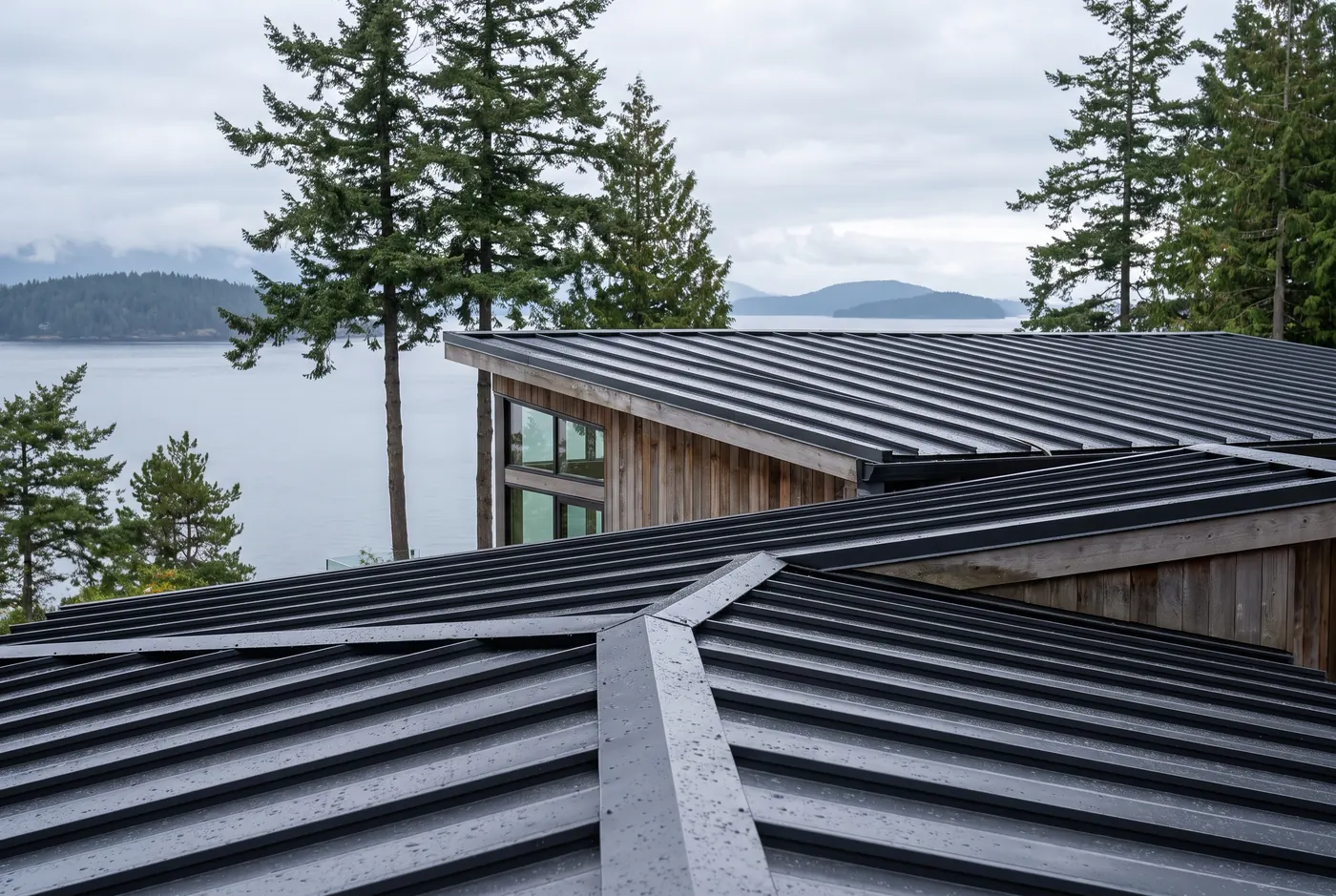
| Standing-seam metal | $14,000 – $45,000+ | 40–50 yr finish | 50+ years |
Ranges are for learning only — an estimate, not a quote. For roughly what a new cedar roof costs with no warranty, CertainTeed Presidential TL gives you the thick, layered shake look in an asphalt shingle, and standing-seam metal roofing gives you 50-plus years of near-zero upkeep. Want the full picture? Our guides on metal roof vs. asphalt shingles and the real cost of a new roof in the San Juan Islands break down the trade-offs.
What we actually do with a cedar roof
We still want the call — we just point it toward a roof we can stand behind:
- Free on-island inspection. We look at the cedar, the deck underneath, and your ventilation, and tell you honestly where things stand.
- Full cedar tear-off and haul-off. We strip the old cedar down to the deck and haul it off-island (that disposal is one of the real island cost lines).
- Deck repair. We check the skip sheathing and decking for rot. Sound wood stays; soft spots get replaced.
- Re-roof in a warrantied system. We install architectural or designer asphalt shingles, or standing-seam metal — properly vented, flashed with ice-and-water membrane at the valleys and eaves, and backed by our 15-year workmanship warranty.
What we don’t do is install new cedar or sell cedar “repairs” we can’t warranty. If a contractor is willing to nail more shakes onto a failing cedar roof, ask what warranty comes with it — the answer tells you why we don’t.
When is a cedar roof actually failing?
You’re at replacement (not a patch) when you see any of these across more than one slope:
- Cracked, curled, cupped, or missing shakes, especially on north-facing slopes
- Thick moss mats and soft, spongy spots underfoot
- Daylight or water stains in the attic, or leaks after wind-driven rain
- A sagging ridge or deck, which points to rot in the sheathing below
- Repeated repairs — you’re paying again every winter
One problem on an otherwise sound roof can sometimes wait. But once cedar is worn all over — which is the norm for the aging cedar roofs still out here — replacement is the move, and a full roof replacement in asphalt or metal resets the clock for decades.
The bottom line for island homeowners
Cedar is nostalgic, but it’s the wrong choice for your money and your peace of mind on a modern island roof. You’ll pay top dollar for a roof with no warranty, an insurance surcharge, and a shrinking list of people willing to work on it. Put that same budget into a lifetime-warranty designer shingle or a 50-year metal roof and you get more protection, less upkeep, and a roof built for salt air and wind.
Thinking about a cedar shake roof replacement? Book a free on-island inspection for our cedar roof removal and replacement service — contact us or call (360) 205-1462 on San Juan, Orcas, Lopez, or Shaw, and we’ll put an honest number in writing.
Frequently asked questions
Should I replace my cedar roof or repair it?
Do you install new cedar shake roofs?
How much does it cost to replace a cedar roof in the San Juan Islands?
Why is cedar considered outdated now?
How long do cedar roofs last in the PNW?
Ready to move forward?
Talk to an island-based roofer — free inspection, honest advice.